Every time I stopped between Prosser and Joliet, I walked around the trailer looking for a bungee that had given up.
I carry several replacements. On a trip that long, one or two usually snap after spending hundreds of miles convincing me they have no intention of doing so. Optimism has many virtues, but it is not an adequate tie-down.
Beneath the tarp were grapes destined for our winery. The weather side of the tarp is white by design. Eastern Washington during harvest can be hot—hot enough that protecting the grapes from direct sunlight matters. White reflects more of the sun’s heat than a darker surface, which helps protect the fruit during the first part of the journey.
The design has a complication.
A tarp can protect the grapes from heat coming from outside while trapping heat beneath it. Covering the load solves one problem but introduces another that must be watched. Protection cannot be evaluated entirely from the weather-facing side.
I left Prosser in the heat of the Yakima River valley and began making my way north and east. By the time I reached Post Falls, I was more than fifteen hundred feet higher than where I had started, and the higher mountain passes were still ahead.
At Post Falls, the weather changed its mind.
The rain began, the air cooled and the wind came with it. The tarp that had begun the journey as shade was now functioning as a roof. The same covering chosen to reflect sunlight was being asked to keep water from reaching the grapes.
From there, the rain followed me east.
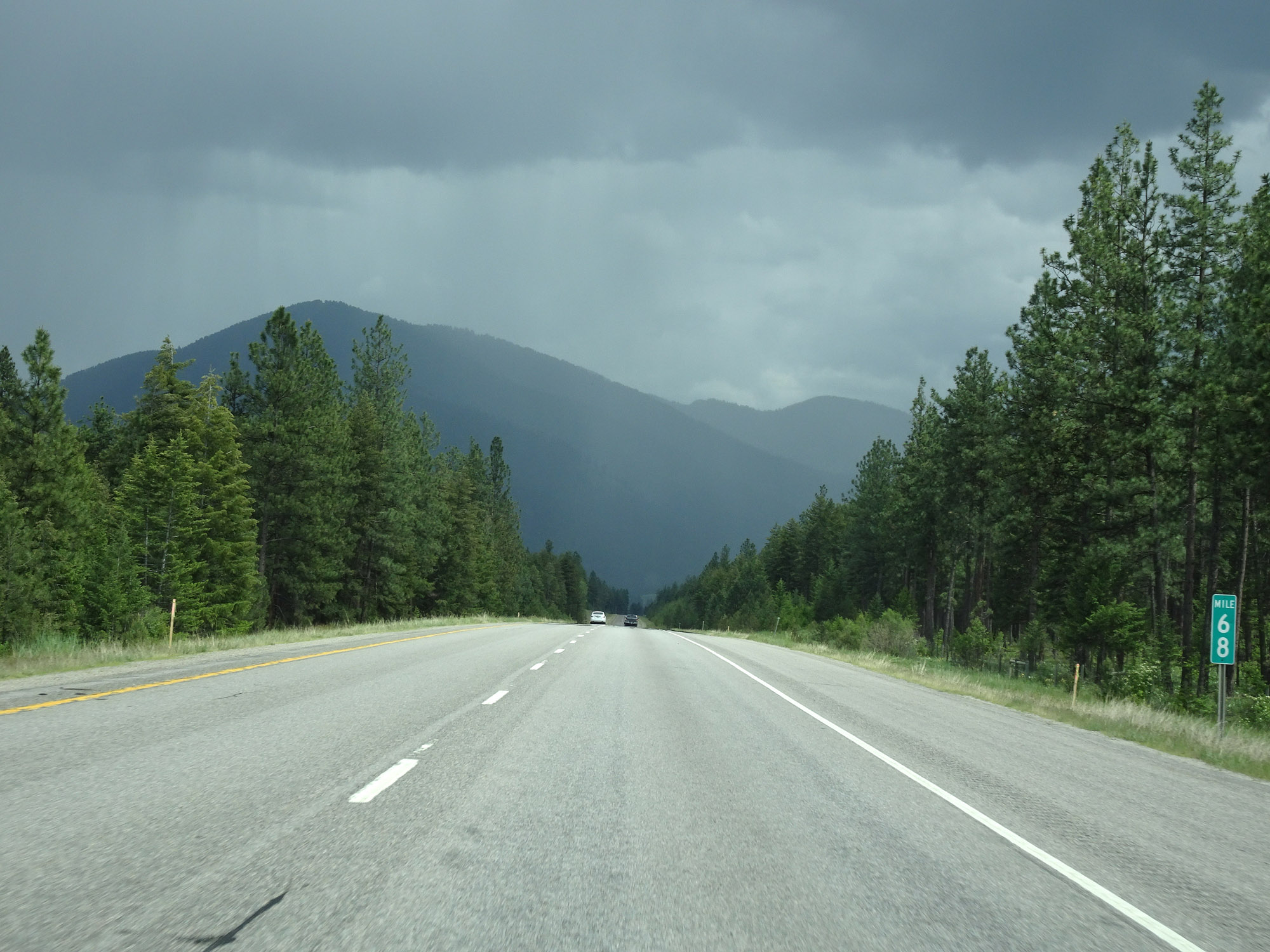
There was flash flooding around Missoula and Bozeman. After Livingston, the weather settled into a steady drizzle that continued toward Joliet. The tarp remained stretched over the same load, but the conditions surrounding it were no longer the ones I had prepared for in Prosser.
At every stop, I walked around the trailer.
I checked the tarp, the tension on the bungees and the condition of the load. A covering secured hundreds of miles earlier could not simply be assumed to remain secure. Wind works on loose edges. Rain collects wherever it is allowed to settle. Bungees stretch, shift and occasionally decide they have contributed enough to the journey.
The inspection did not take long, but it mattered.
Proverbs says, “Be sure you know the condition of your flocks, give careful attention to your herds.”
The instruction is agricultural, but its wisdom reaches well beyond livestock. Stewardship requires more than putting something in order at the beginning. It means continuing to know the condition of what has been entrusted to us.
That is more demanding than it sounds.
I prefer solutions that remain solved. I like the idea that once I have chosen the right tarp, secured it with enough bungees and started down the road, the matter should be settled. But the weather changes. Elevation changes. Fasteners weaken. Heat accumulates where we cannot see it.
The covering may still be in place while the conditions beneath it have changed entirely.
I can make the same mistake with people. Once I decide what care should look like, I can keep offering the same kind of protection without noticing that the weather has changed. I may provide advice when someone now needs to be heard. I may step in when trust would ask me to step back. I may preserve silence because it once kept the peace, without recognizing the heat gathering underneath it.
What once protected can eventually confine if no one continues paying attention.
That does not mean the covering was wrong. The tarp was necessary. It simply means that care cannot be reduced to the act of covering.
Jesus once prayed not that his followers would be removed from the world, but that they would be protected within it. It is a striking picture of protection. They would not be spared every difficult condition. They would be kept while moving through them.
Perhaps that is why real care requires such attentiveness. We cannot remove every person we love from every storm. We cannot guarantee an easy road or make the weather remain consistent. We can stay close enough to notice what has changed. We can inspect what we once secured. We can replace what has broken and remain willing to adjust the protection we were once certain would be enough.
The tarp could not know whether the grapes beneath it were all right. That responsibility remained mine. At every stop, I climbed out, walked around the trailer and looked again.
The tarp protected the grapes from the weather. Stopping to look again protected them from my assumptions.
Until next time,
George
If this reflection brought someone to mind, perhaps share it with them. If you enjoyed it, please read a few more and consider becoming a subscriber.